What Makes Public Spaces Comfortable Enough to Keep People Coming Back
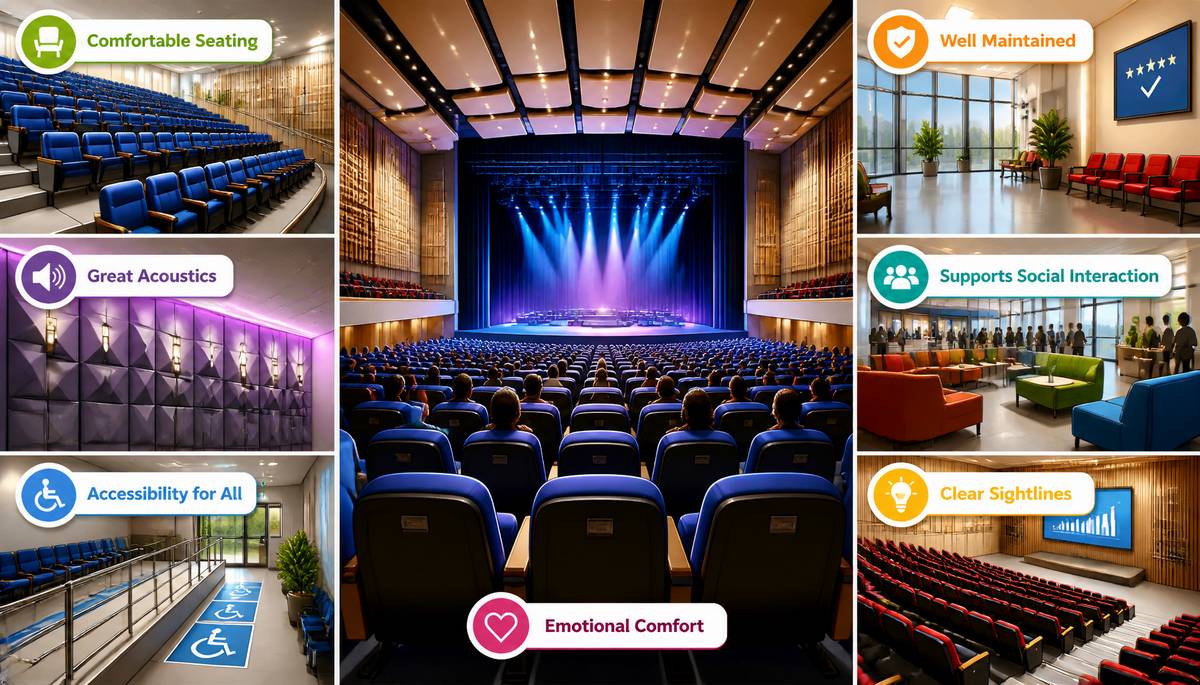 The best public spaces are not always the flashiest or the most expensive. Often, the places people return to repeatedly are the ones that simply feel good to spend time in. Whether it is a theatre, lecture hall, entertainment venue, conference centre, sports arena, or community hub, comfort plays a major role in how people experience a space.
When visitors feel physically comfortable, emotionally relaxed, and able to engage with their surroundings easily, they are far more likely to return, stay longer, and recommend the venue to others.
Here is what truly makes public spaces inviting enough to keep people coming back.
Prioritising Comfortable Seating
Seating is one of the first things people notice in a public venue, even if they do not consciously realise it. Poor seating can quickly turn a positive experience into a frustrating one, especially during long performances, lectures, presentations, or events.
Well-designed seating supports posture, provides adequate space, improves visibility, and helps audiences remain comfortable for extended periods. Ergonomic design, lumbar support, acoustic integration, and durable materials all contribute to a better visitor experience.
This is why many venues work closely with experienced audience seating manufacturers to create seating layouts that balance comfort, functionality, accessibility, and visual appeal. The company specialises in retractable seating, theatre seating, lecture theatre seating, and custom audience solutions for venues across the UK.
Creating Clear Sightlines
Comfort is not only physical. People also want to feel connected to whatever they came to experience.
In entertainment and educational spaces, poor visibility can create frustration almost immediately. Carefully planned tiering, seating angles, and row spacing help ensure visitors can see clearly without constantly adjusting their position or straining their neck.
Modern auditorium design increasingly focuses on sightline optimisation because it directly affects audience satisfaction and engagement.
Managing Noise and Acoustics Properly
A visually impressive space can still feel uncomfortable if the sound environment is poor. Excessive echo, muffled audio, or distracting background noise quickly reduces the quality of an experience.
Acoustics are particularly important in:
- Theatres
- Cinemas
- Lecture halls
- Conference venues
- Performance spaces
- Sports arenas
Seating materials, wall surfaces, ceiling design, and room layout all influence how sound travels through a space. Acoustic seating panels and integrated sound considerations are now common features in modern venue seating systems.
Paying Attention to Accessibility
Comfortable public spaces must work for everyone. Accessibility is no longer viewed as an optional extra but as a core part of good design.
Wide aisles, wheelchair-accessible seating positions, step-free access, clear signage, and thoughtful layouts help ensure all visitors can navigate spaces comfortably and confidently.
When accessibility is integrated naturally into the design, venues become more welcoming and inclusive for a much broader audience.
Maintaining the Space Properly
Even beautifully designed spaces can quickly lose appeal if maintenance is neglected. Broken seating, worn upholstery, poor cleanliness, flickering lighting, or damaged flooring all affect how visitors perceive a venue.
Long-term maintenance and servicing are essential for keeping public spaces inviting. Many seating systems are now designed with durability, replaceable components, and easy servicing in mind to support long-term venue performance.
Consistent upkeep also demonstrates professionalism and attention to visitor experience.
Designing for Emotional Comfort
People are naturally drawn to environments that feel welcoming and intuitive. Lighting, colour schemes, temperature control, spacing, and overall atmosphere all contribute to emotional comfort.
Crowded layouts, poor ventilation, or harsh lighting can make even attractive venues feel stressful. On the other hand, balanced design choices encourage people to relax and enjoy their time in the space.
Public venues that create a calm and enjoyable atmosphere often build stronger emotional connections with visitors, leading to repeat attendance and positive word of mouth.
Supporting Social Interaction
Many public spaces succeed because they encourage people to connect with others. Comfortable communal areas, practical layouts, and thoughtful circulation routes help people socialise naturally before, during, and after events.
Whether it is a theatre foyer, university lecture venue, or conference centre, people appreciate spaces that feel easy to move through without congestion or confusion.
Good spatial planning reduces stress and helps create a smoother overall experience.
Ultimately, people return to places where they feel comfortable, welcomed, and able to enjoy the experience without distraction. Public spaces that invest in these details create stronger relationships with audiences and stand a far better chance of remaining popular for years to come.
|
|

