When Do Employers Need Acoustic Doors?
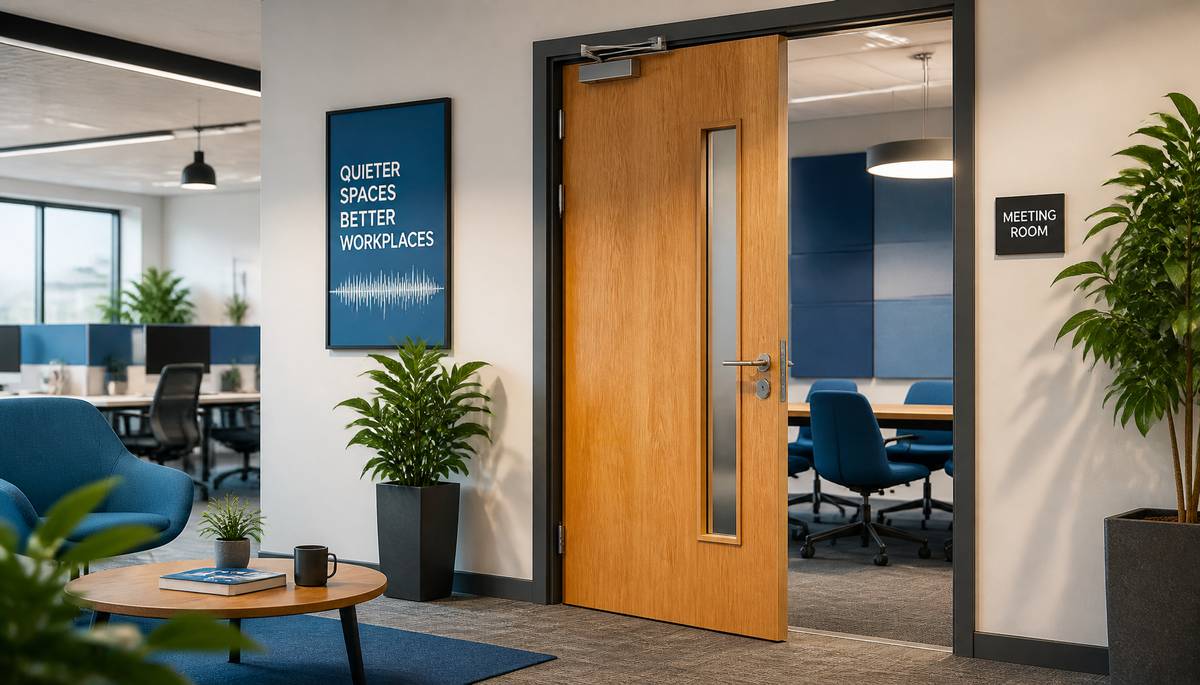 Employers in the UK have a duty to provide safe, comfortable, and productive workplaces. While much attention is often given to physical safety, noise control is equally important. Excessive or poorly managed noise can affect concentration, well-being, and privacy. One effective way to manage sound is through the use of acoustic doors.
What Are Acoustic Doors?
Acoustic doors are specially designed to reduce the transmission of sound between spaces. Unlike standard doors, they feature dense cores and high-performance seals that help contain or block disruptive noises. These doors are commonly used in offices, meeting rooms, industrial facilities, and public spaces where sound control is a priority.
Beyond noise reduction, high-quality acoustic doors can provide durability and additional security, making them a practical solution for many workplace environments.
When Acoustic Doors Are Needed
Managing Workplace Noise
UK regulations require employers to assess and manage risks from excessive noise. While personal protective equipment can help, controlling noise at the source is often more effective. Acoustic doors can prevent sound from machinery, plant rooms, or other noisy areas from disturbing nearby offices or staff areas, creating a calmer, safer environment.
Ensuring Privacy
In workplaces where confidential discussions take place, such as HR meetings, therapy sessions, or boardroom discussions, standard doors may not provide sufficient sound insulation. Acoustic doors are designed to maintain privacy by significantly reducing sound transfer, helping protect sensitive information.
Compliance in Design and Construction
Acoustic performance is increasingly considered alongside fire safety, accessibility, and structural standards when designing or refurbishing workplaces. Acoustic doors are often specified to meet sound insulation requirements between rooms, particularly in offices, healthcare settings, and educational facilities. Planning for acoustic doors early in a project can prevent costly adjustments later.
Common Applications for Acoustic Doors
Industrial and Manufacturing Environments
Factories, workshops, and production areas often generate high levels of noise from machinery, compressors, and ventilation systems. Acoustic doors help contain these sounds, protecting quieter areas like offices, breakrooms, or staff facilities and reducing stress for employees.
Open-Plan Offices and Meeting Spaces
Open-plan layouts can create noise challenges, especially when teams need private discussions or meetings. Installing acoustic doors in meeting rooms, phone booths, or quiet spaces helps reduce interruptions, allowing employees to focus and improve productivity.
Educational and Community Spaces
Schools, colleges, and community buildings often have areas where loud sounds are normal, such as music rooms, lecture halls, or sports facilities. Acoustic doors help prevent sound from spilling into adjacent classrooms or offices, creating a better learning and working environment.
Healthcare and Therapy Settings
Quiet and privacy are essential in medical and therapeutic environments. Acoustic doors between consultation rooms, treatment spaces, and waiting areas help ensure patient comfort and confidentiality while reducing distractions for staff.
Choosing the Right Acoustic Door
When selecting an acoustic door, employers should consider:
- Acoustic rating: Higher ratings provide greater noise reduction.
- Material and durability: Steel or composite doors offer long-term performance and security.
- Fire and safety requirements: Some doors integrate acoustic performance with fire-rated protection.
- Installation quality: Professional fitting and proper seals maximise effectiveness.
High-quality options like acoustic doors can be tailored to the specific needs of a workplace, ensuring that noise levels are controlled without compromising safety or security.
Final Thoughts
Acoustic doors are more than just a soundproofing solution; they are an investment in employee wellbeing, privacy, and productivity. Whether in offices, industrial facilities, educational institutions, or healthcare environments, the right acoustic door can make a significant difference.
By carefully considering acoustic doors as part of workplace design, employers can create quieter, safer, and more efficient spaces that meet both practical needs and regulatory expectations.
|
|

