A Home Security Check Is Cheapest Before the Burglary, Not After
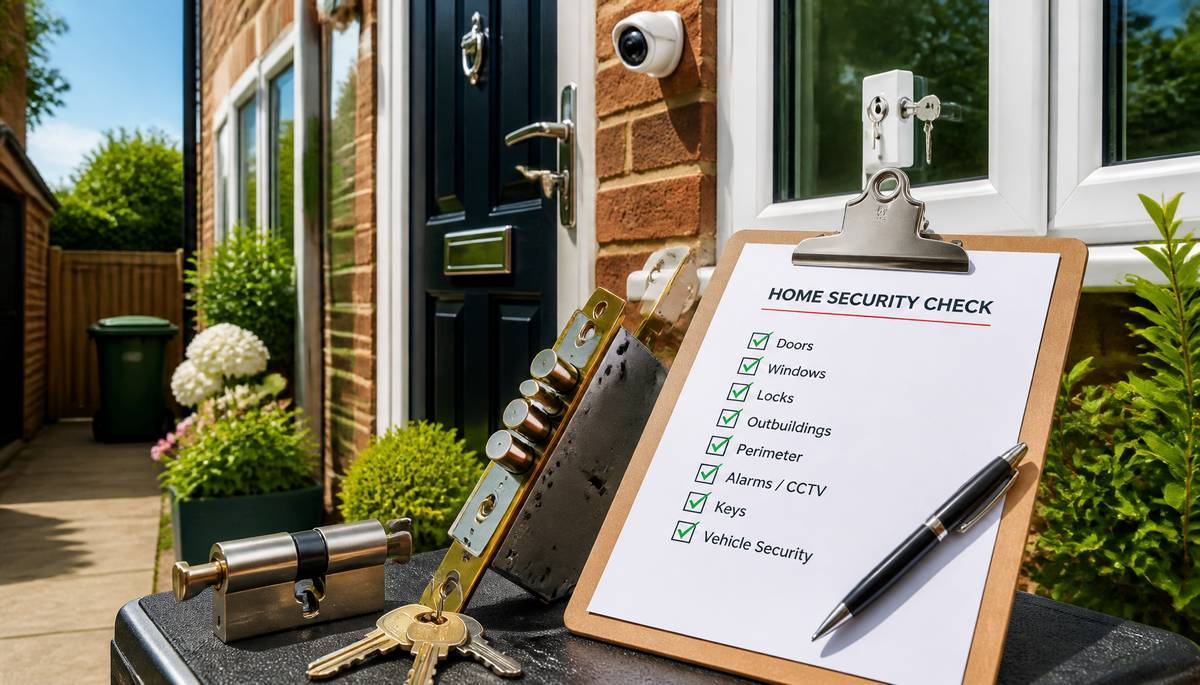 Most people improve their home security in the order things go wrong for someone else. A burglary down the road leads to a new light, a neighbour’s break-in to a better lock. It is security by anecdote, and it tends to leave gaps nobody has noticed, because nobody has ever looked at the property as a whole.
A proper look starts with a different question: if I were locked out, where would I try to get in? A home security guide for Essex residents puts it almost exactly that way. It advises householders to look at their home as if they had locked themselves out and work out where they would try to get in.
That is the idea behind a home security check. Midlands Locksmiths describes its check as an assessment of doors, windows, locks and other vulnerable access points. It covers homes and businesses across Coventry, Leicester, Warwickshire and the West Midlands, and aims to show where security can be improved and which upgrades are worth making.
What a thorough check looks at
The firm says its check covers the locks currently securing the property and a perimeter survey to identify weak spots. It also covers outbuildings and driveway security, zoning off areas inside the property, advice on whether a safe is needed and where it should go, vehicle security, and alarms and CCTV. That matches what police advise independently: remove anything that can be used as a climbing aid, such as bins, ladders and garden furniture, and fit key-operated locks to accessible windows. Zoning inside the property simply means making sure one breach does not open everything, for example by keeping valuables in a locked room or safe rather than on open display.
Your insurer may have opinions about your locks
Insurance is often what turns a nice-to-have into a necessity. Midlands Locksmiths says insurers commonly expect a 5-lever BS 3621 mortice deadlock on a timber door, or at least a three-point locking system on a uPVC or composite door, plus key-lockable window locks. It adds that some insurers now advise anti-snap cylinders.
The MLA gives a more cautious picture. Some insurers insist on BS 3621 locks, others may not have that exact requirement, and the standard is certified by the British Standards Institution rather than “approved” by insurers. The sensible step is to read your policy conditions and ask your insurer what it expects.
Quick checks you can do tonight
- Timber doors: look for the British Standard Kitemark and “BS 3621” on the lock’s faceplate. A mortice lock needs at least five levers to qualify
- uPVC and composite doors: check the cylinder for a 3-star Kitemark or Sold Secure Diamond marking, and lock the door with the key every time
- Windows: key-operated locks on every ground-floor and easily reached window
- Keys: keep door keys out of sight but somewhere accessible in case of fire, as ProtectUK advises
- Outside: side gates, outbuildings and anything that makes a back window easy to reach
Paid check or free check?
Midlands Locksmiths charges for its security check and explains why. It argues that a locksmith offering a free check has to recoup the cost somehow, perhaps by recommending work you do not need. According to its site, the fee is waived if you book any recommended work at the time, the check is free if the locksmith is already at your property, and anyone who prefers to fit products themselves gets 20 per cent off.
It is worth knowing the alternative too. Independent Age notes that local police Safer Neighbourhood Teams or Crime Prevention Officers may offer free security checks, which you can ask about on 101. A police visit is useful for general advice, while a locksmith’s check can specify the hardware. Either way, be wary of any “free” inspection that arrives with a sales target.
Fix the cause, not the symptom
The firm gives one example of why a proper assessment matters. A customer whose locks were being superglued every few days had spent over £1,000 on call-outs and new locks, it says, before it replaced the keyhole with an electronic keyless lock for under £200. That is a company anecdote rather than independent evidence, but it illustrates the principle: a check should find the cause rather than keep treating the symptom.
A burglar needs only one weak point. The purpose of a check is to find yours before anyone else does.
|
|

