How an Unused Chimney Can Still Cause Expensive Roof Trouble
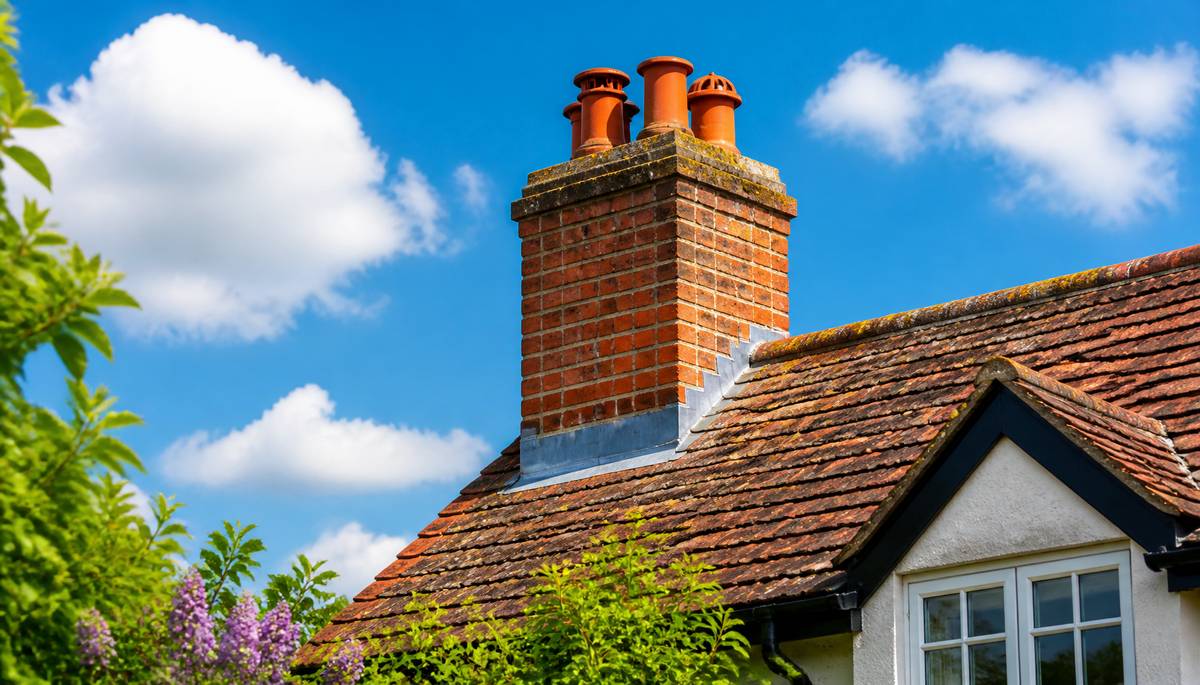 A retired chimney can look wonderfully harmless: a brick ornament from an era when every room expected a coal fire and nobody complained about dust in their breakfast. Yet even when the fireplace below has been blocked off, removed or converted into a shelf for family photographs, the stack above the roof remains exposed to rain, wind, frost and the occasional ambitious bird. It is still part of the building’s weatherproof shell, and it can cause trouble long after its original purpose has ended.
A chimney is not simply a collection of old bricks standing on principle. It is a vertical structure fixed into the roof, with joints, leadwork and a cemented top all depending on regular integrity. Once any of these elements begins to fail, water has a remarkably efficient way of finding the house’s weakest route. It does not need a dramatic hole. A small crack, lifted edge or tired joint can be enough to start a slow and expensive campaign against ceilings, timbers and plaster. Cracked Pointing Lets Water Settle In The mortar between chimney bricks is called pointing, and it has a quiet but vital role. Good pointing keeps the masonry stable and helps prevent rainwater from entering the body of the stack. Over time, however, weathering can leave it cracked, recessed or crumbly. Frost is particularly unkind: water enters a tiny gap, freezes, expands and returns later to make the gap feel much more important than it did last winter.
On an unused chimney, declining pointing can go unnoticed for years because there is no fireplace smoke, draught or daily reminder that the structure exists. From ground level, it may still appear perfectly respectable. Up close, though, loose mortar and open joints can allow water into the brickwork. That moisture may then travel downwards, affecting the roof space or causing damp patches around the chimney breast inside.
A sensible inspection does not always mean immediate rebuilding. Small areas of deteriorated pointing may be repaired before the surrounding bricks are affected. The real danger lies in treating an old stack as decorative background scenery until chunks of mortar begin auditioning for life in the gutter. Flashing Is the Chimney’s Raincoat Where the chimney meets the roof covering, flashing provides the waterproof seal. It is commonly made from lead and shaped to direct rain away from the junction between brickwork and tiles or slates. When flashing is secure, it does its job so quietly that most people never think about it. When it fails, it becomes impossible to ignore.
Lead flashing can split, lift, crack around fixings or pull away from the brickwork. Cement fillets used in older repairs can also deteriorate, leaving gaps that admit water. Because the problem sits at roof level, the first sign may be a stain on an upstairs ceiling rather than an obvious fault outside. By then, rain may have been entering during every suitably gloomy spell of weather.
Unused chimneys are often more vulnerable to neglect because owners assume that no fire means no maintenance. In reality, the chimney is still attached to the roof, and the roof remains extremely interested in keeping rain outside.
Loose Pots and Flaunching Need Watching Chimney pots are not merely Victorian hats for bricks. They help finish the top of the stack and, where vents remain open, can allow air to circulate through the flue. Pots can loosen after years of wind exposure, especially if the bedding material around them has cracked or broken away. A pot that shifts slightly may not look alarming from the pavement, but it can become a hazard in strong weather and may damage the chimney beneath it.
The material holding chimney pots in place is known as flaunching. Usually made from a mortar-based mix, it forms a sloped bed around the pots so rainwater runs away rather than pooling at their base. Age, frost and movement can cause flaunching to crack or detach. Once that happens, water can seep into the top courses of brickwork, accelerating deterioration where it is least convenient to inspect.
A professional roof-level check can identify loose pots, failing flaunching and damaged mortar before they develop into a larger repair. This is not a job for a heroic climb up a ladder in slippers, with one hand holding a torch and the other holding a vague sense of optimism. Chimneys sit at height, often on steep roof slopes, and safe access matters as much as the repair itself. Redundant Does Not Mean Risk-Free Some owners choose to retain an unused chimney because it contributes to the appearance of the property. Others plan to remove it eventually but postpone the work while more immediate projects take priority. Both choices can be reasonable, provided the stack is kept sound.
Where a chimney has been fully decommissioned, it may need a suitable vented cap or cowl rather than a completely sealed opening. A sealed flue can trap moisture and reduce ventilation within the stack, encouraging condensation and internal decay. The appropriate solution depends on the chimney’s condition, whether any appliances remain connected and how the flue has been closed off. It is worth having this assessed properly rather than relying on an old bucket, a paving slab or an arrangement that looks inventive from below.
Serious defects may justify partial rebuilding, removal to roof level or complete dismantling. Those decisions should take account of the chimney’s structural role, shared stacks in adjoining properties and the need to make good the roof afterwards. Removing a chimney is not simply subtracting bricks; the surrounding roof must be properly restored so it remains weather-tight. A Stack of Sense An unused chimney asks for very little: occasional inspection, prompt attention to damaged pointing or flashing, and safe repair when its top begins to show its age. Left alone, a minor defect can turn rainwater into an uninvited long-term tenant. Kept in good order, the old stack can remain a quiet, dependable part of the roof rather than the source of its next expensive surprise.
|
|

