How To Look After Your Mobility Scooter Battery For Better Performance
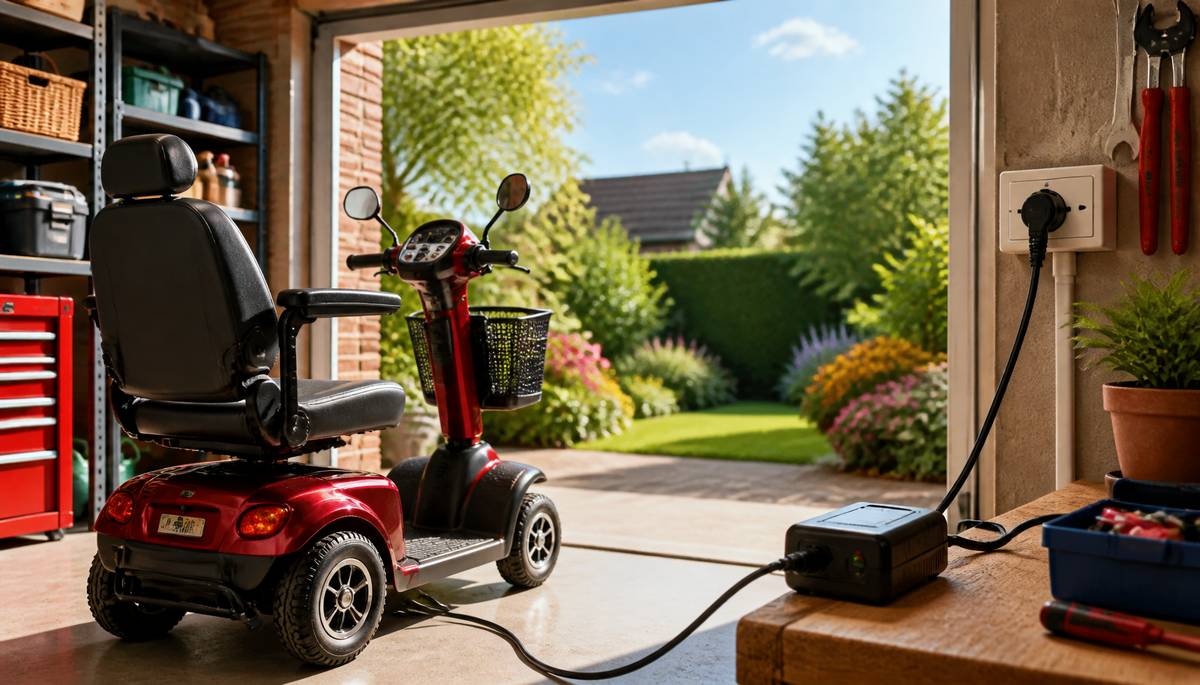 A mobility scooter gives you valuable freedom and independence, but its performance depends heavily on one important component: the battery. Looking after your scooter battery properly can help it hold its charge for longer, perform more reliably, and avoid the inconvenience of losing power when you are out and about.
Battery care does not have to be complicated. A few simple habits can make a noticeable difference to both day-to-day performance and the overall lifespan of your battery.
Charge Your Battery Regularly
One of the easiest ways to keep your mobility scooter battery in good condition is to charge it regularly. In most cases, it is better to recharge the battery after using the scooter rather than waiting until it is almost completely flat.
Repeatedly allowing a battery to become fully discharged can reduce its ability to hold a charge over time. If you use your scooter every day, getting into the habit of plugging it in when you return home can help ensure it is ready for your next journey.
Always follow the charging instructions supplied with your particular scooter and battery, as recommendations can vary between models.
Avoid Leaving It Uncharged for Long Periods
If you are not planning to use your mobility scooter for several weeks, do not simply leave the battery sitting without attention. Batteries can gradually lose charge even while the scooter is not being used.
Check the manufacturer's recommendations and recharge the battery periodically during longer periods of storage. This can help prevent deep discharge, which may make it difficult or even impossible for the battery to recharge properly.
Store Your Scooter Somewhere Suitable
Temperature can affect battery performance. Very cold or excessively hot conditions may reduce efficiency and potentially shorten the battery's usable life.
Where possible, store your mobility scooter and battery somewhere dry and protected from extreme temperatures. A sheltered garage or indoor storage area is generally preferable to leaving the scooter permanently exposed outdoors.
If the battery can be removed from your scooter, you may also be able to store it separately in a suitable environment when the scooter is not being used.
Pay Attention to Changes in Performance
Battery problems often develop gradually rather than appearing overnight. You may notice that your scooter does not travel as far as it once did, takes longer to charge, or loses power more quickly on hills.
These changes can be signs that the battery is approaching the end of its useful life. If you are regularly charging your scooter correctly but its range continues to decline, it may be worth looking at replacement mobility scooter batteries from Discount Scooters that are suitable for your particular model.
Replacing a worn battery before it fails completely can also reduce the risk of being caught without enough power to get home.
Keep an Eye on Your Scooter's Overall Condition
Your battery does not work in isolation. Tyre pressure, the weight being carried and the condition of the scooter itself can all influence how much energy is required to travel.
Underinflated tyres, for example, create additional resistance and can force the battery to work harder. Regular servicing and basic maintenance can therefore support battery performance as well as keeping the scooter comfortable and safe to use.
Make Good Battery Care Part of Your Routine
Looking after a mobility scooter battery is largely about consistency. Charge it regularly, store it carefully and pay attention to any changes in range or performance.
With these straightforward habits, you can help your battery work more efficiently, reduce the likelihood of unexpected problems and keep your mobility scooter ready whenever you need it.
|
|

